How laser engraving works
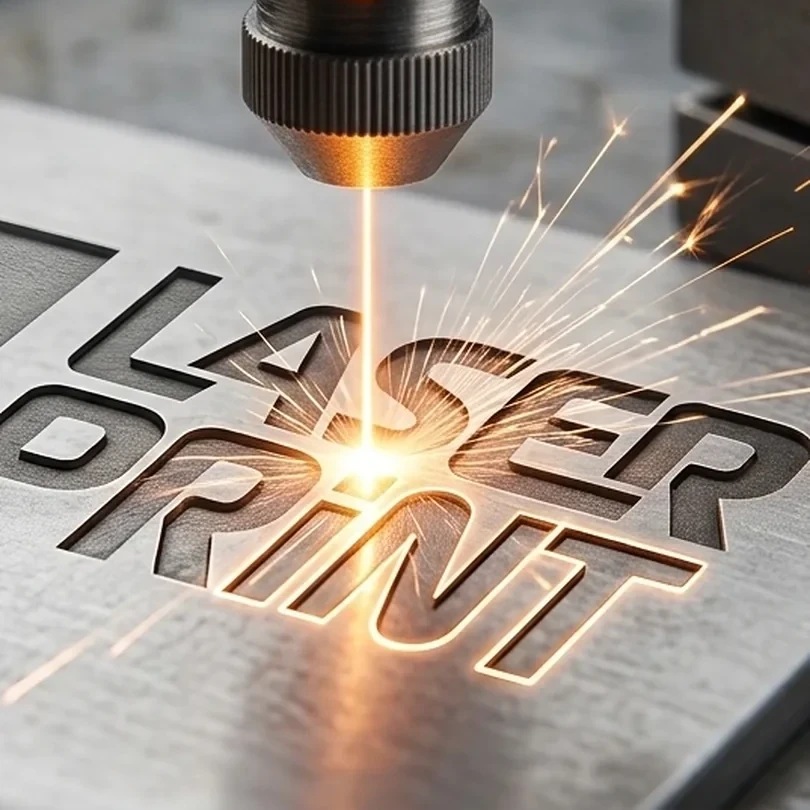
Laser engraving uses a laser beam to remove a thin layer from the surface of an item. This leaves a permanent mark that can't be removed or worn away.
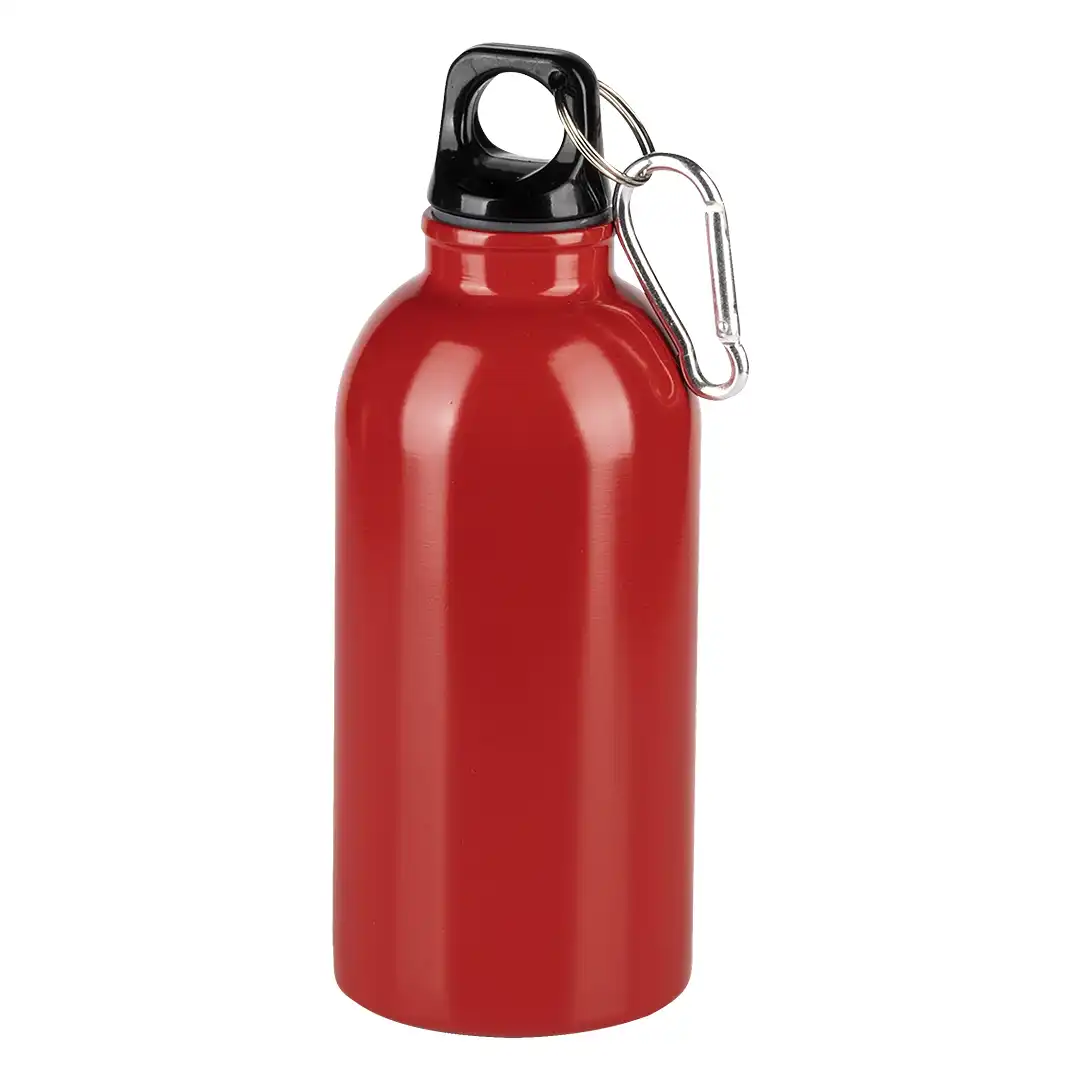
We can engrave many materials: wood, metal, glass, plexiglass, leather, rubber and textile. This method works well for gifts, awards, recognition plaques, office items and promotional products.
How engraving looks on different materials
A laser doesn't add ink - it changes the surface itself, so the look of the engraving depends on the material:
Coloured metal
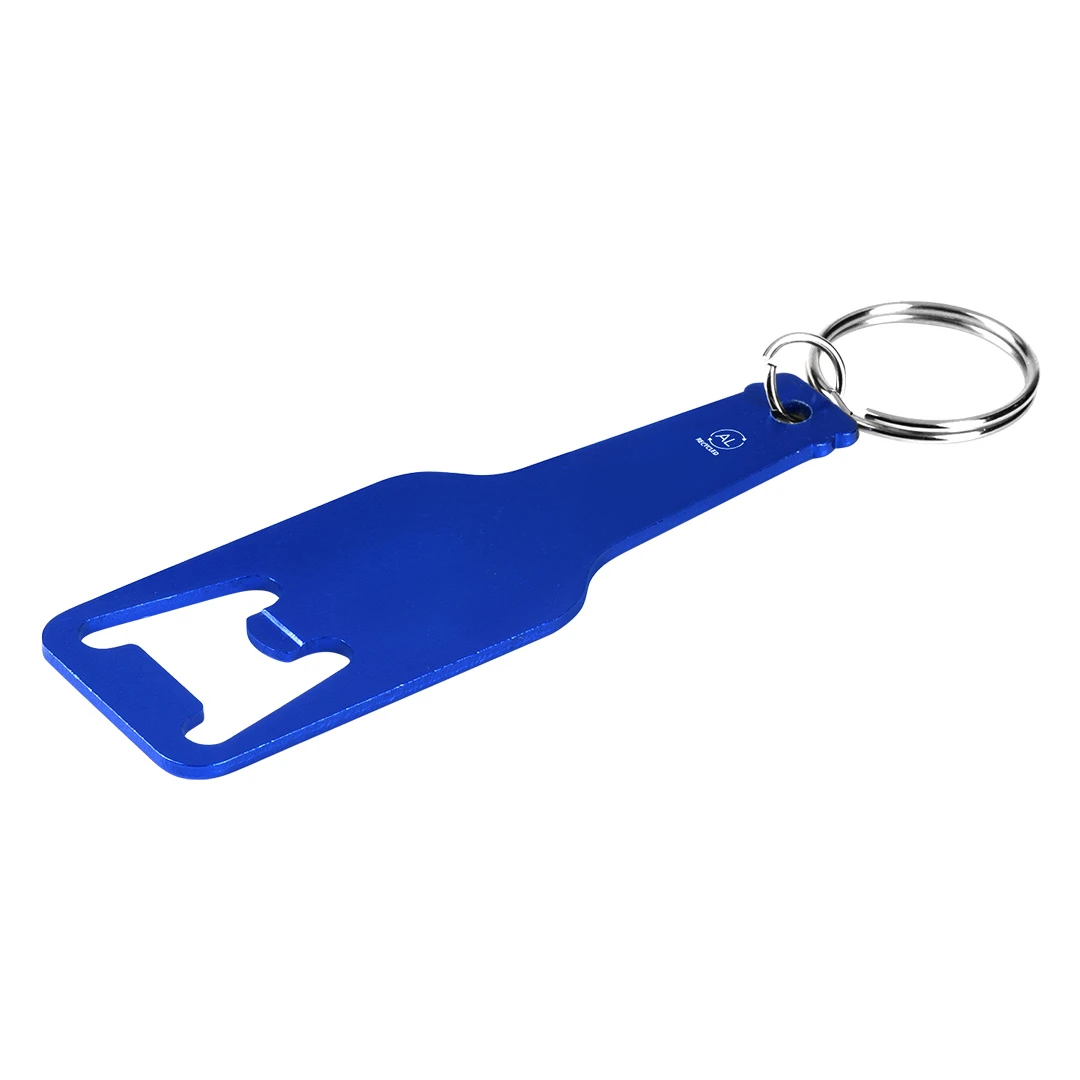
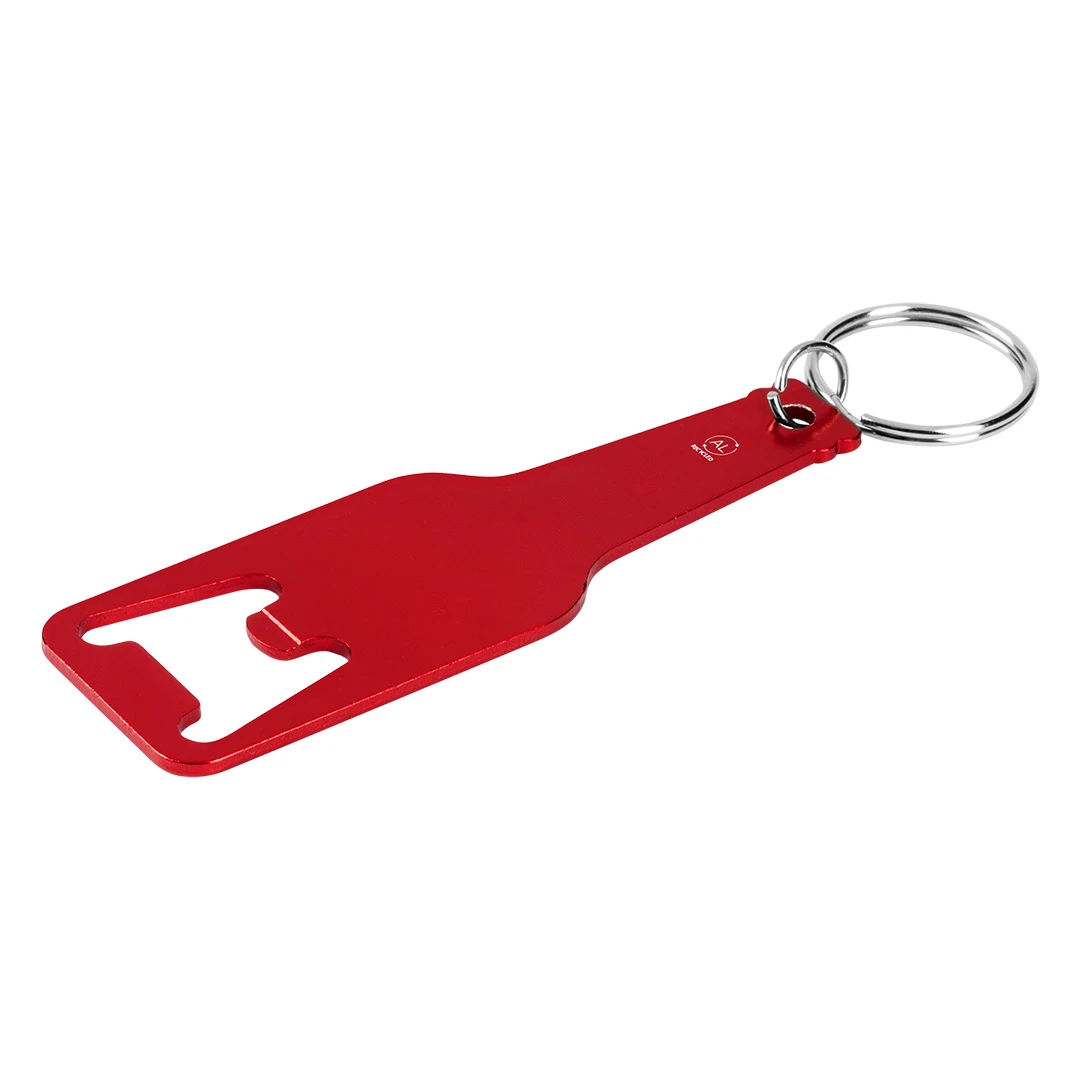
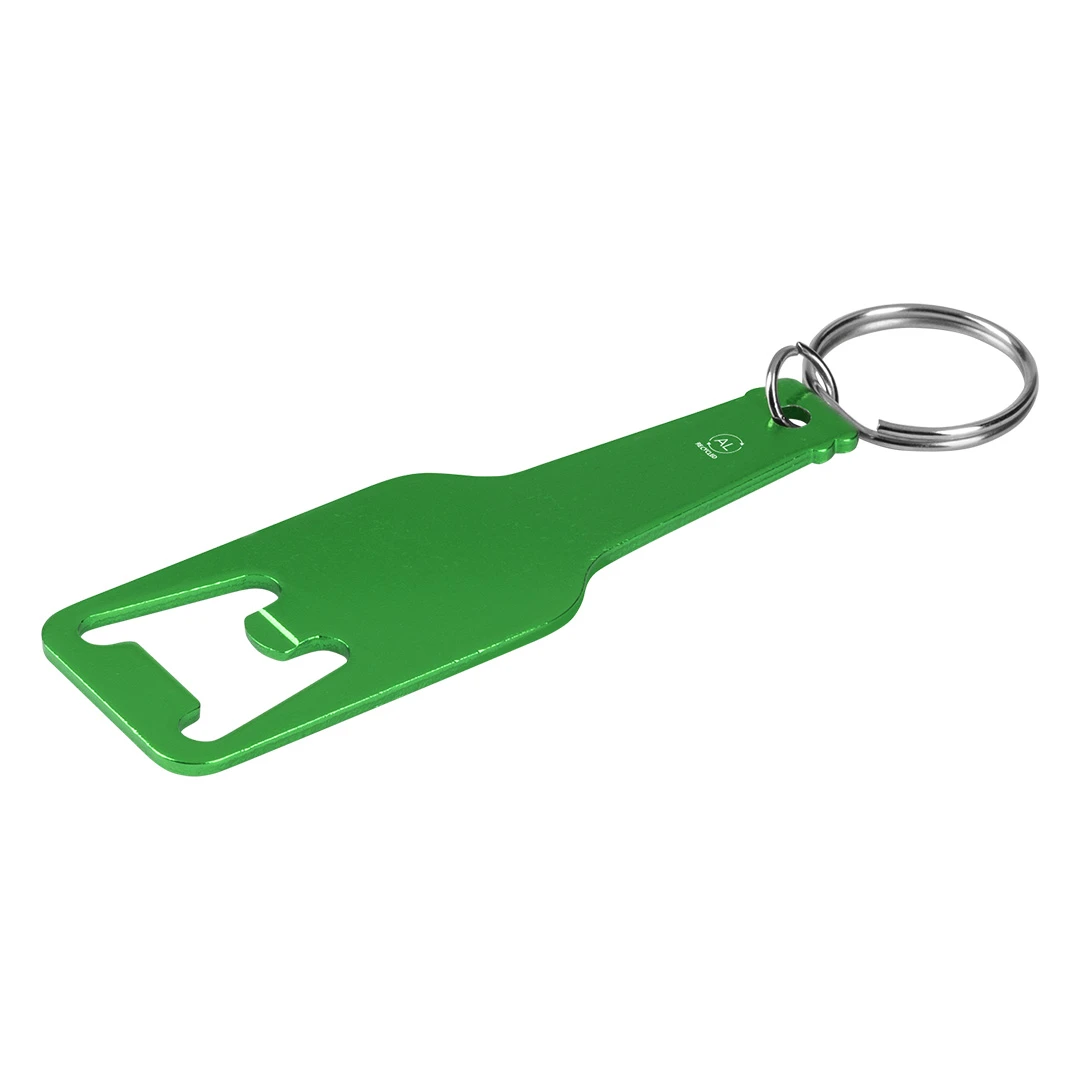
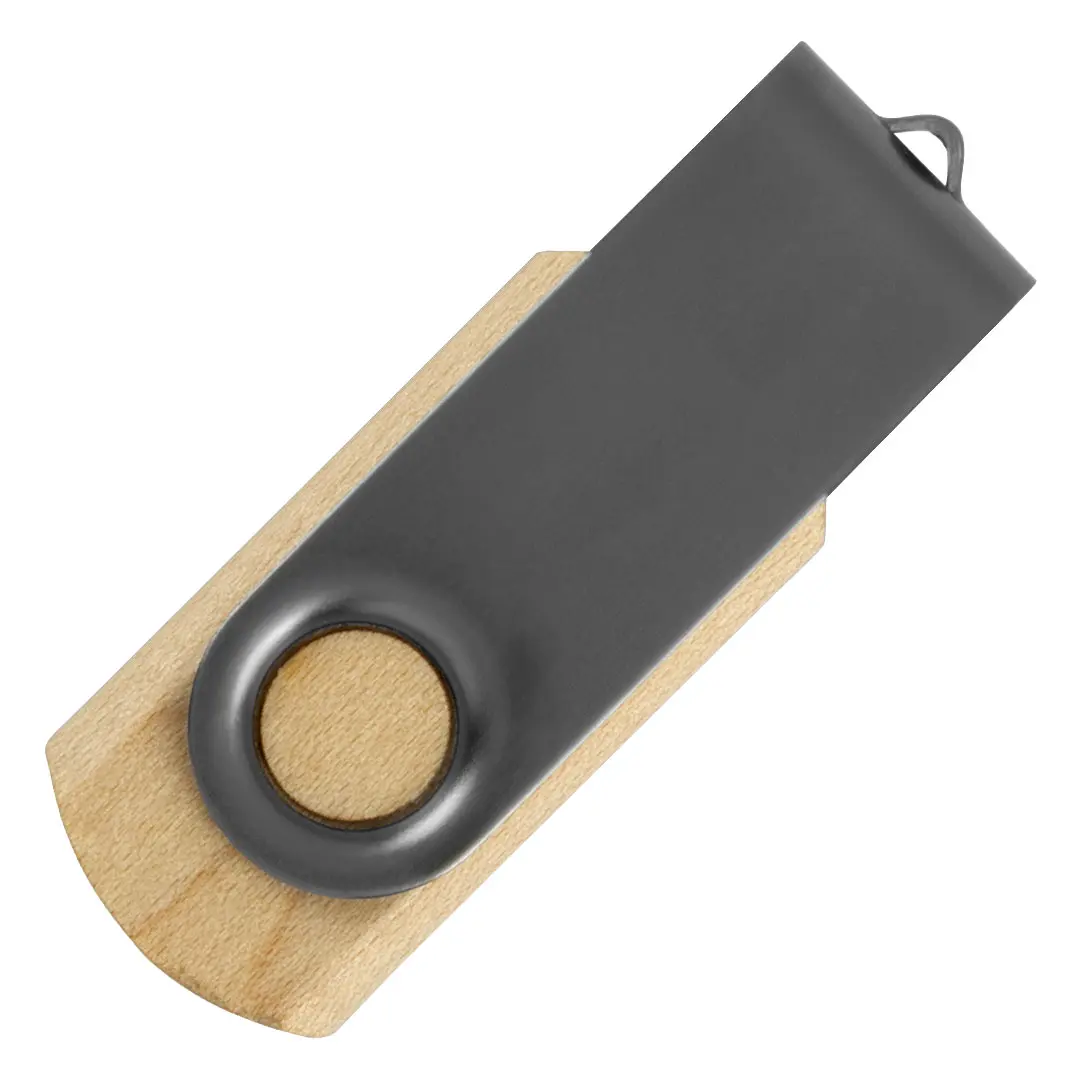
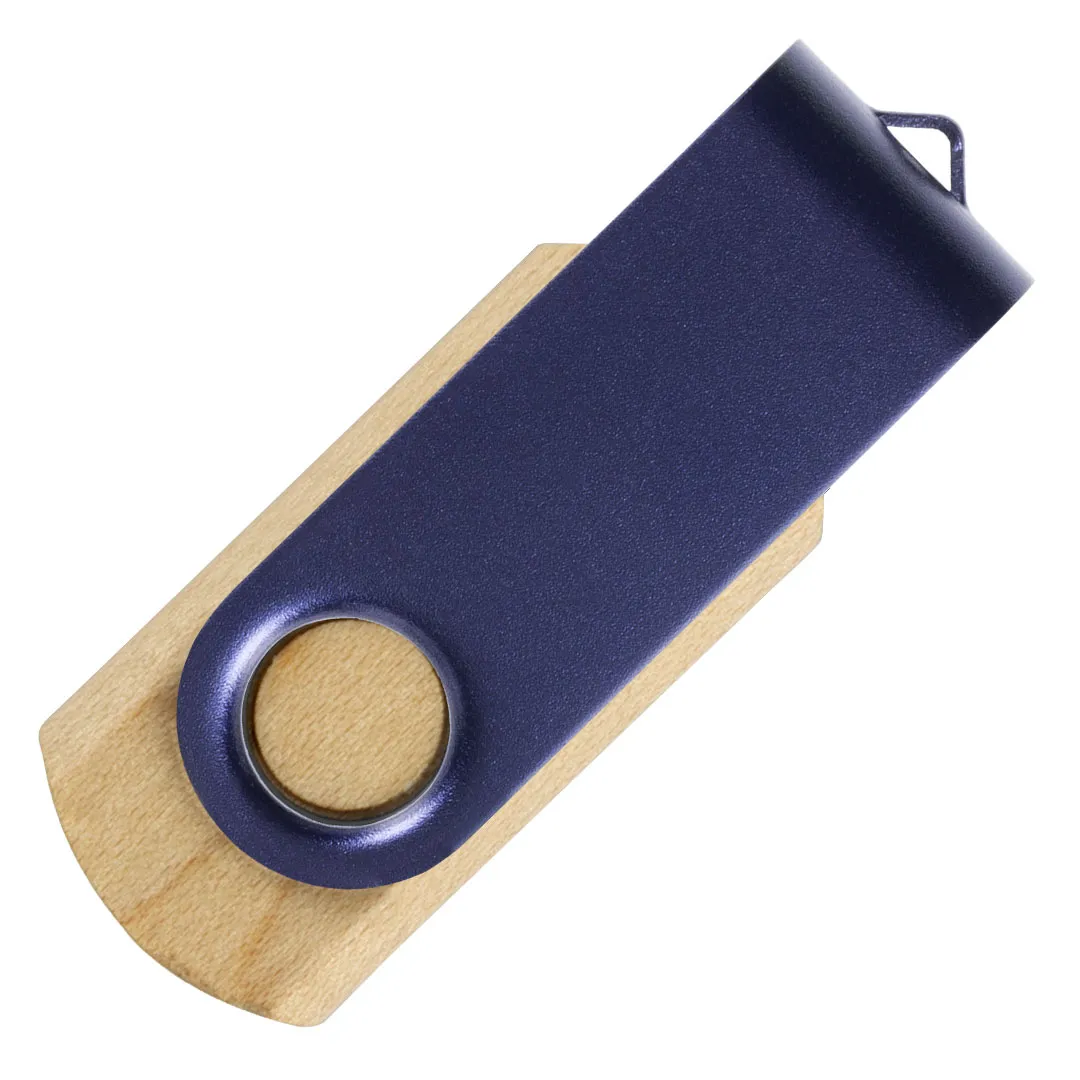
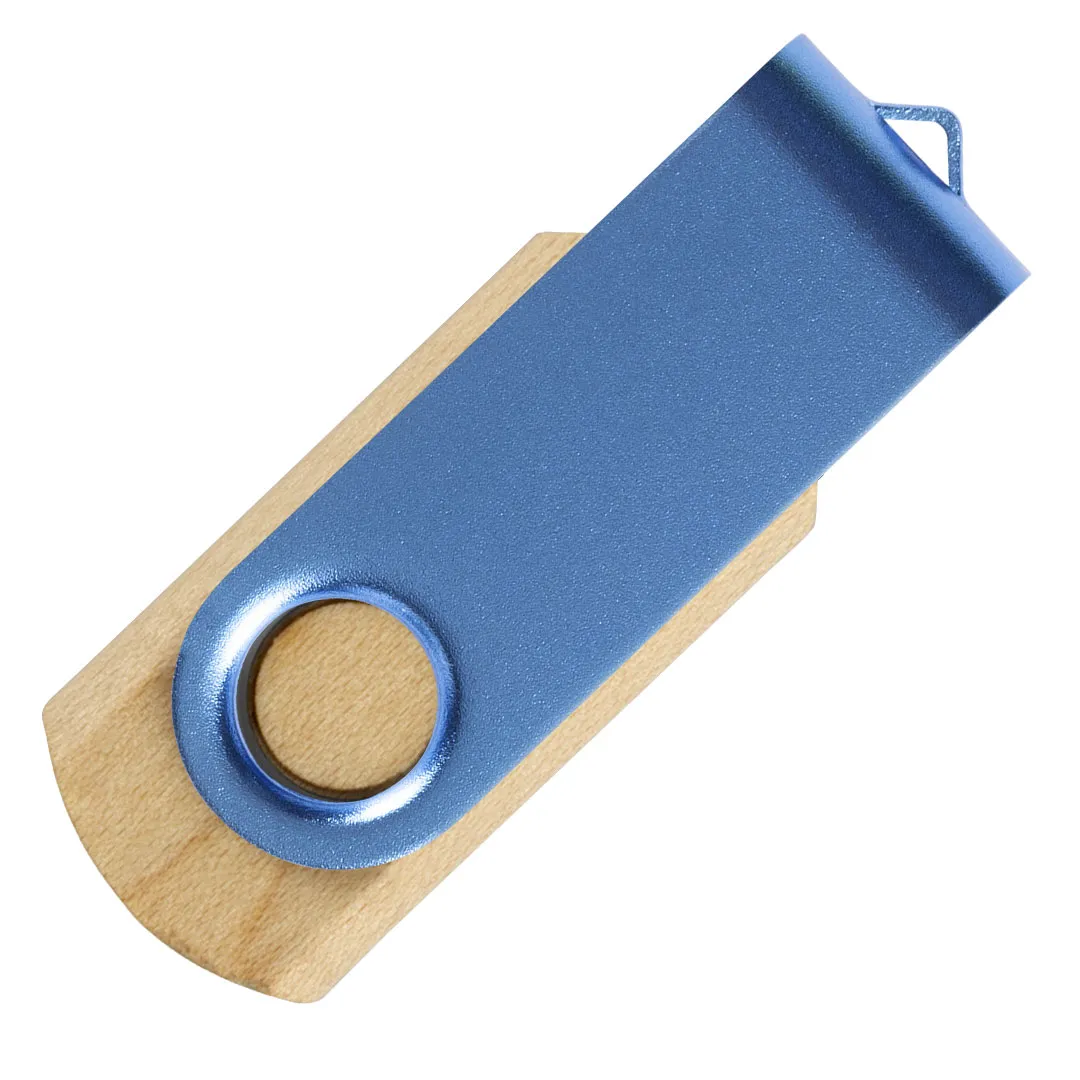
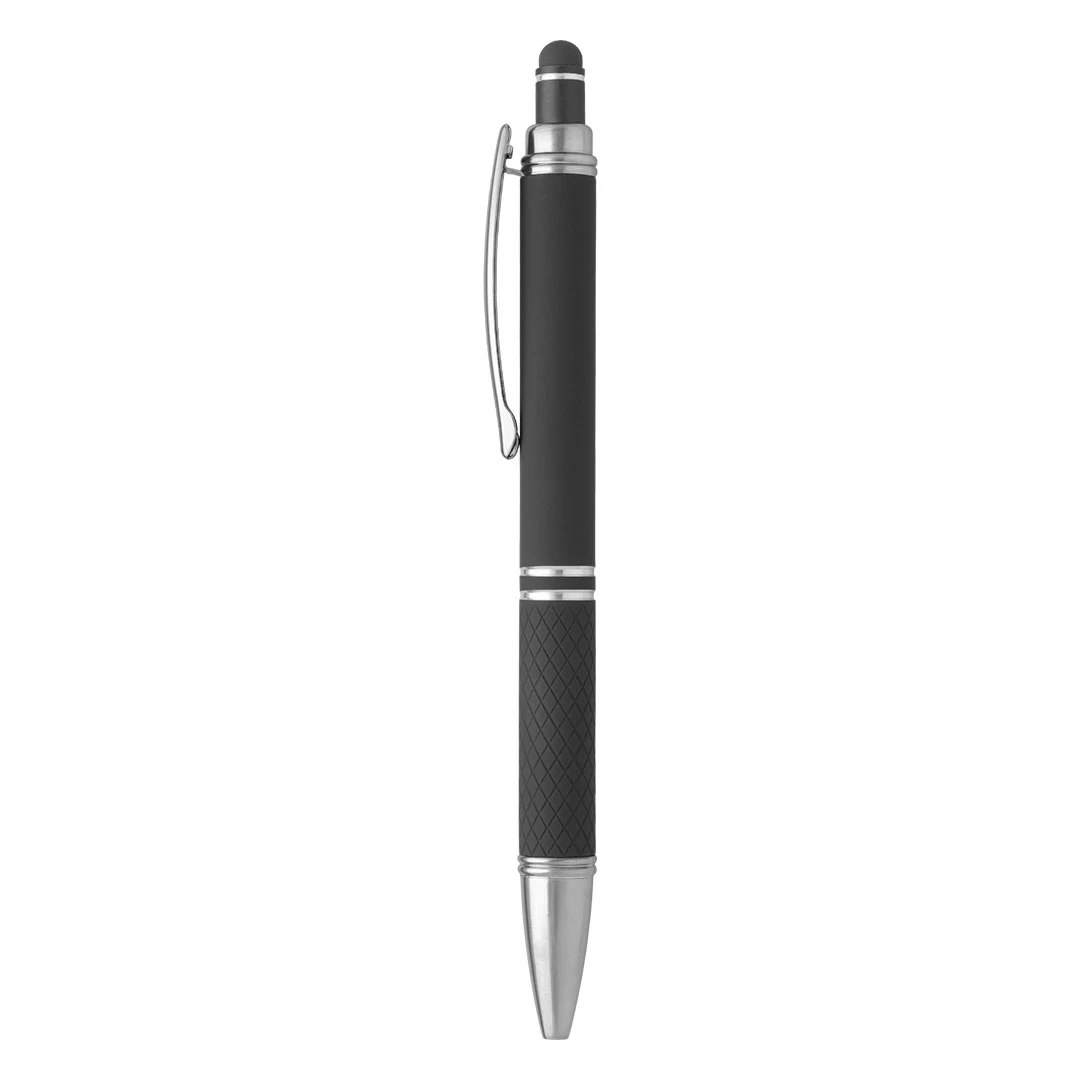
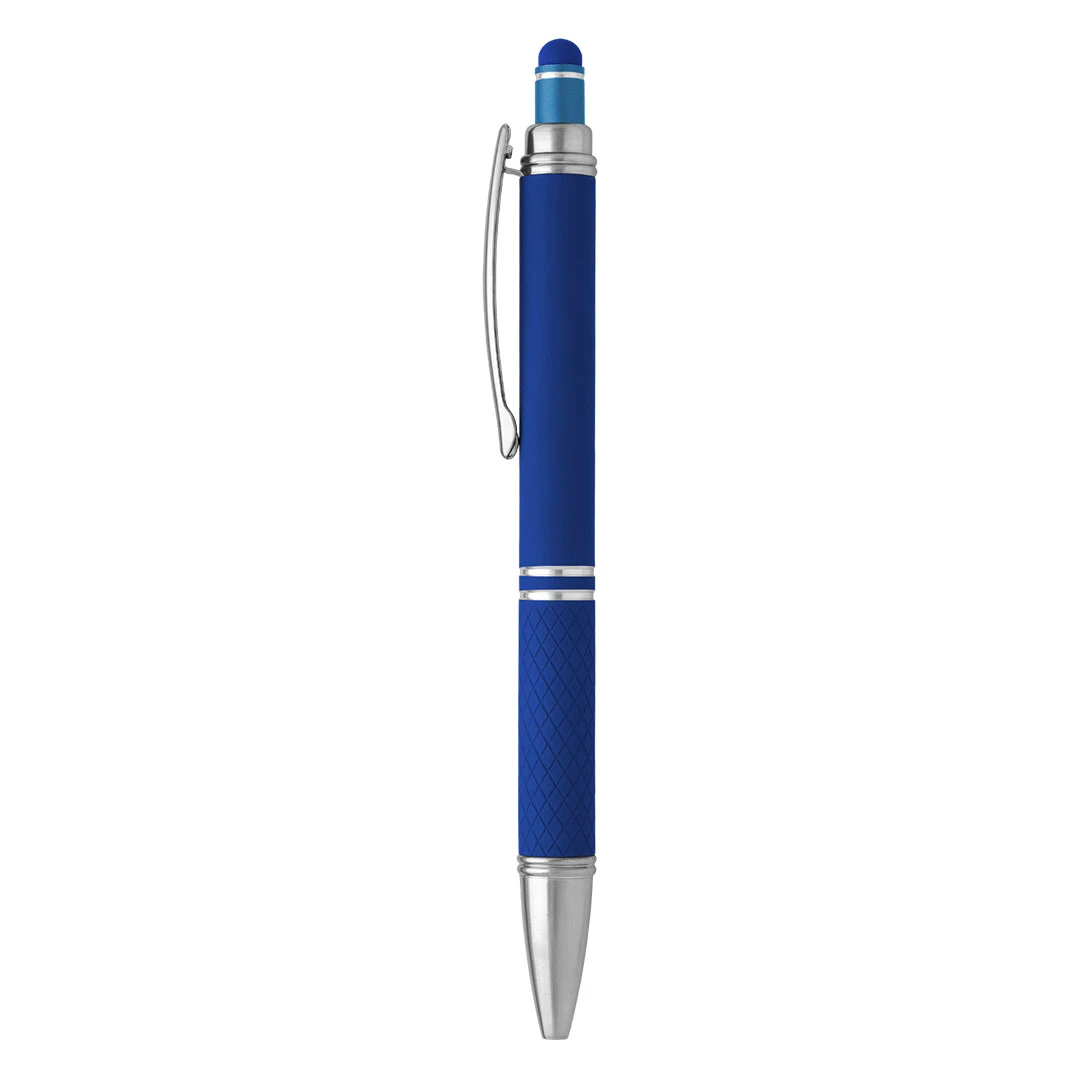
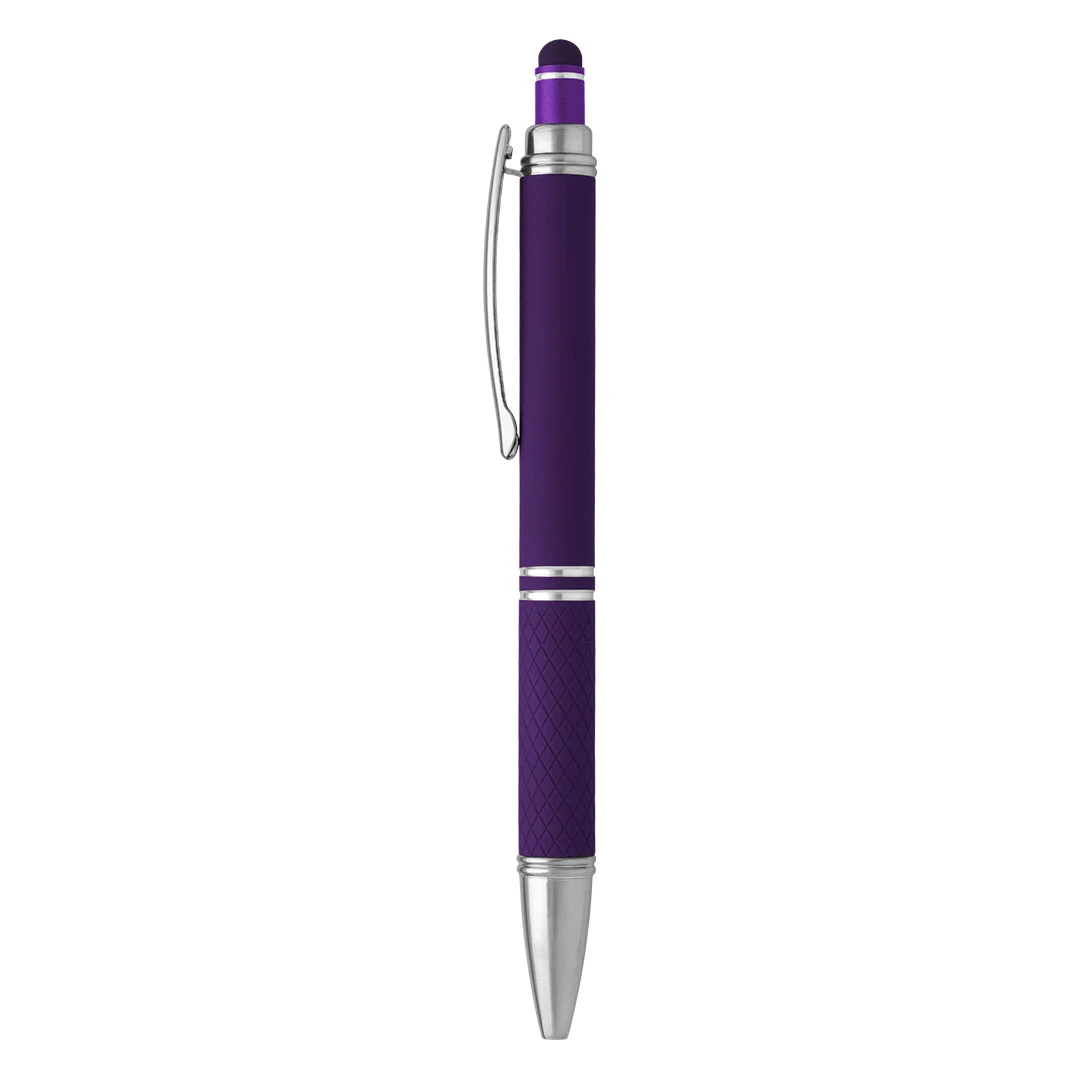
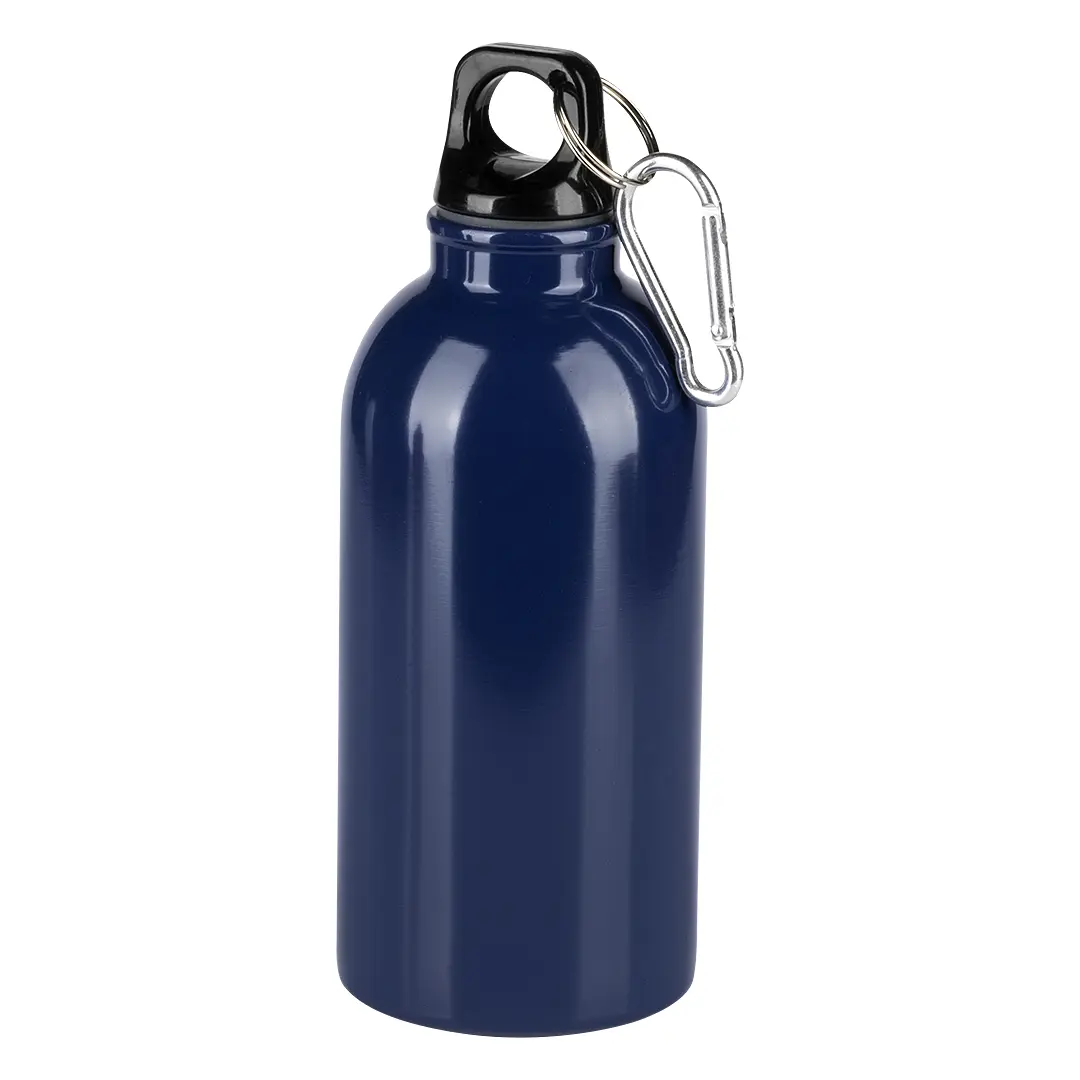
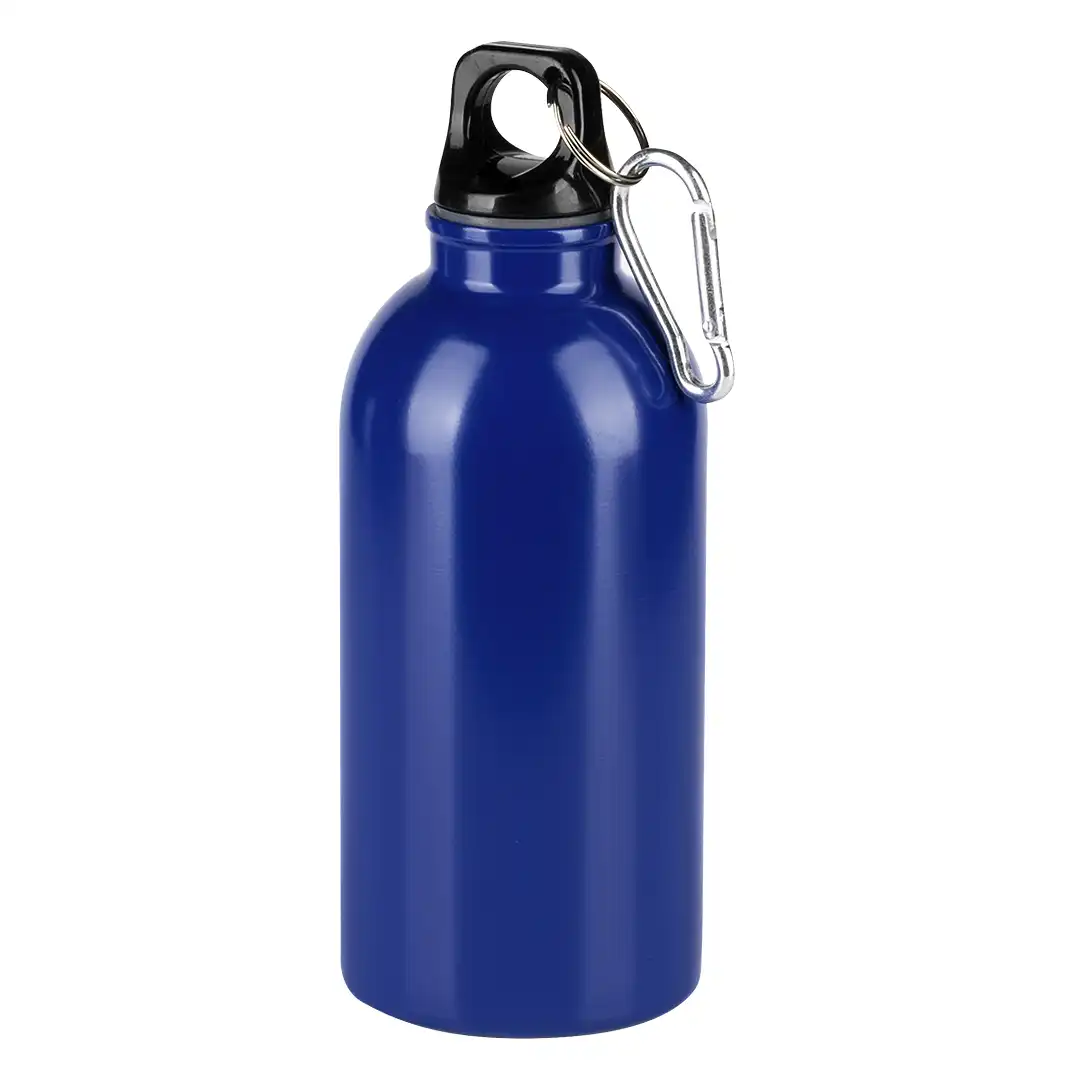
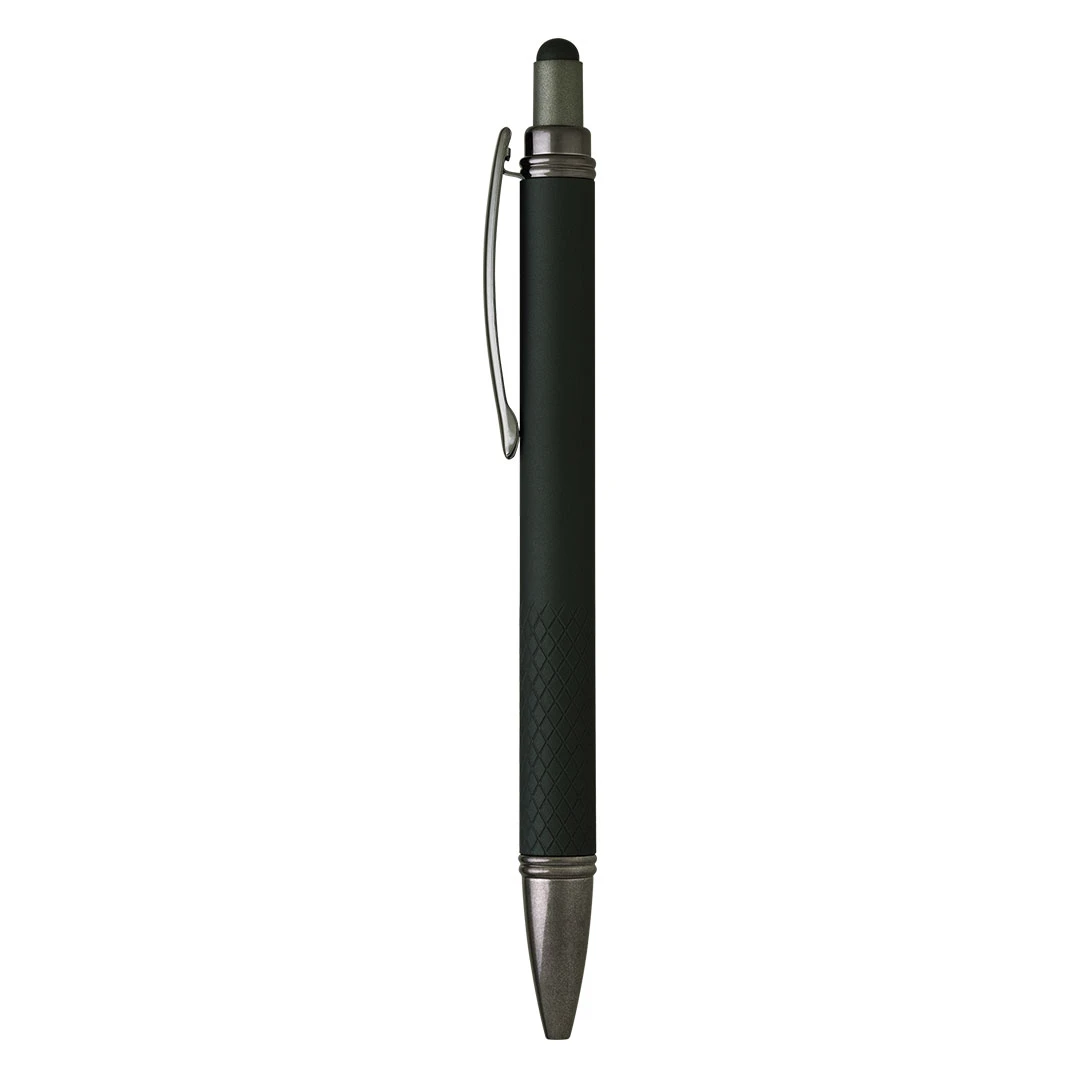
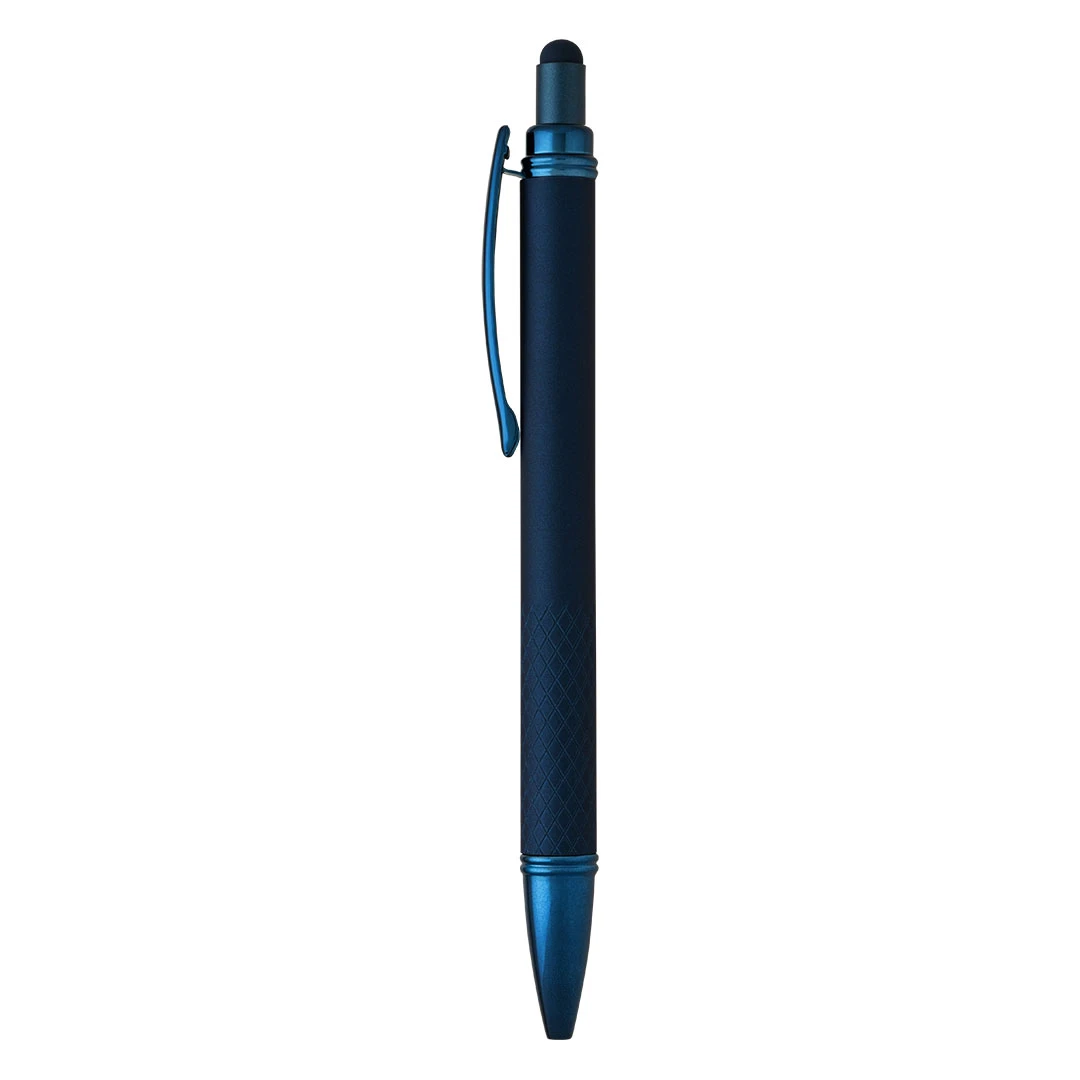
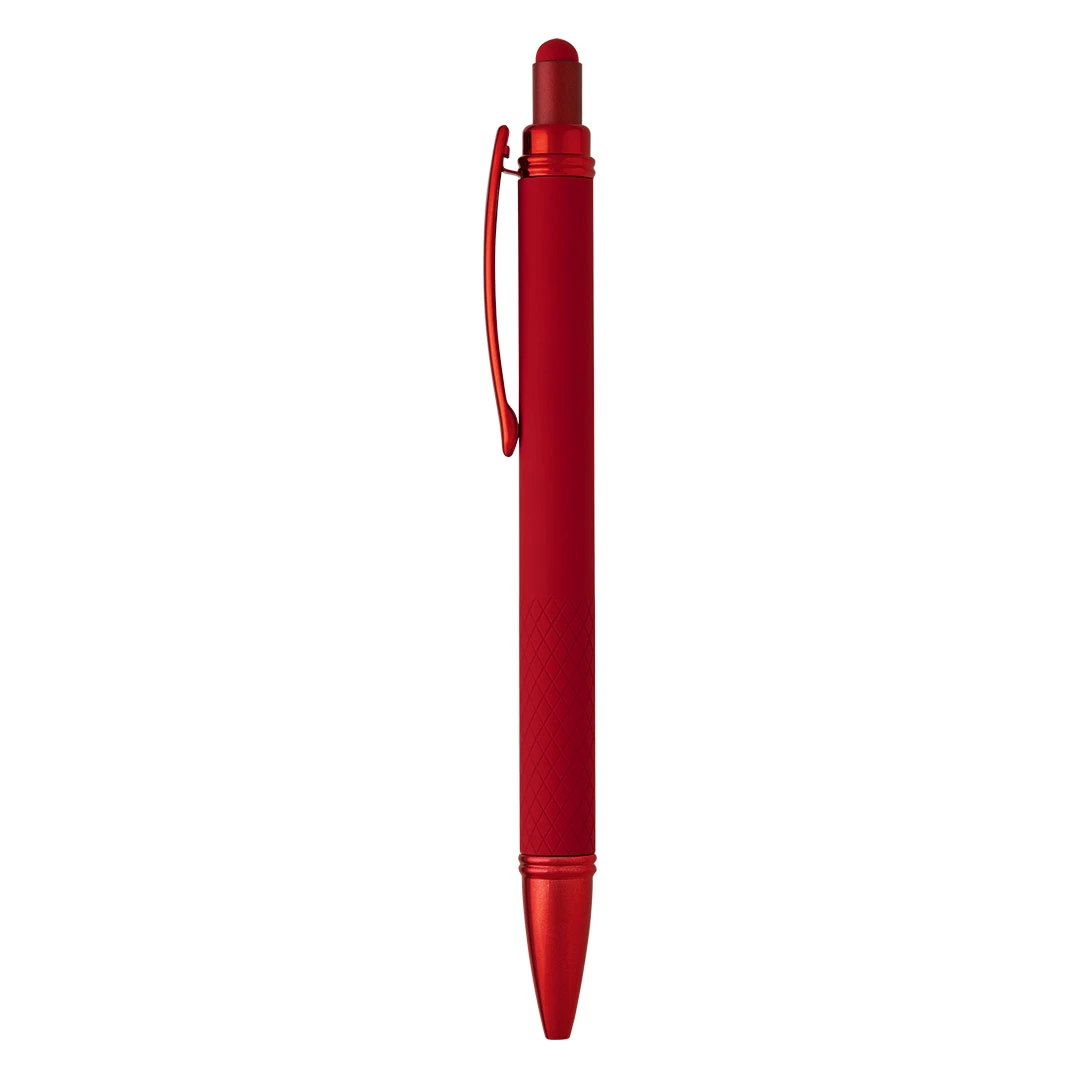
The laser removes the top layer and exposes the metal underneath, so the logo is bright and high-contrast. Typical for metal pens, keyrings, USB drives and thermoses.
Wood, bamboo and cork
The engraving is darker than the surface and slightly recessed, with a natural look. It suits wooden pens, boxes and kitchenware.
Glass
The surface turns matt, like sandblasting - subtle and elegant on glasses and wine sets.
Leather and PU leather
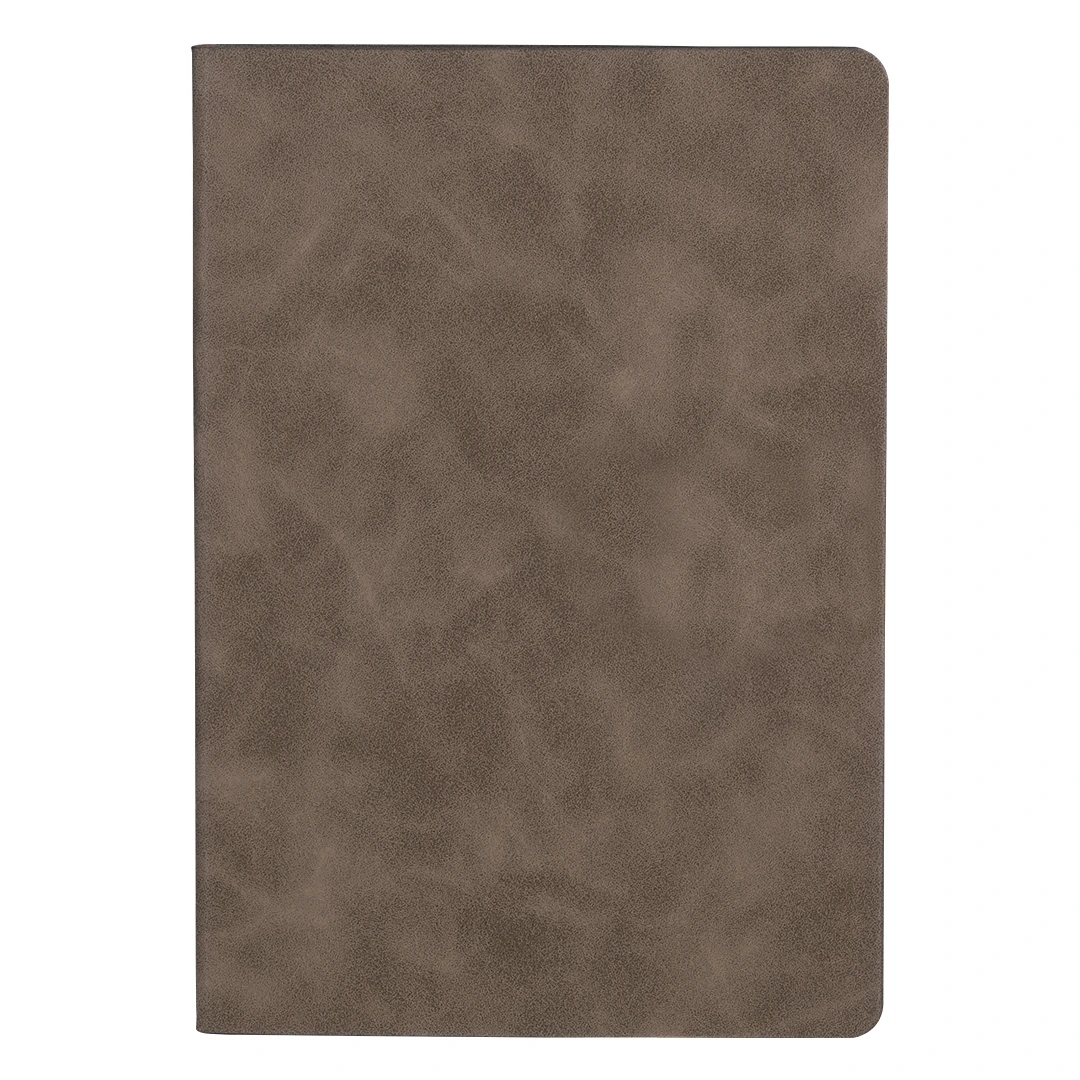
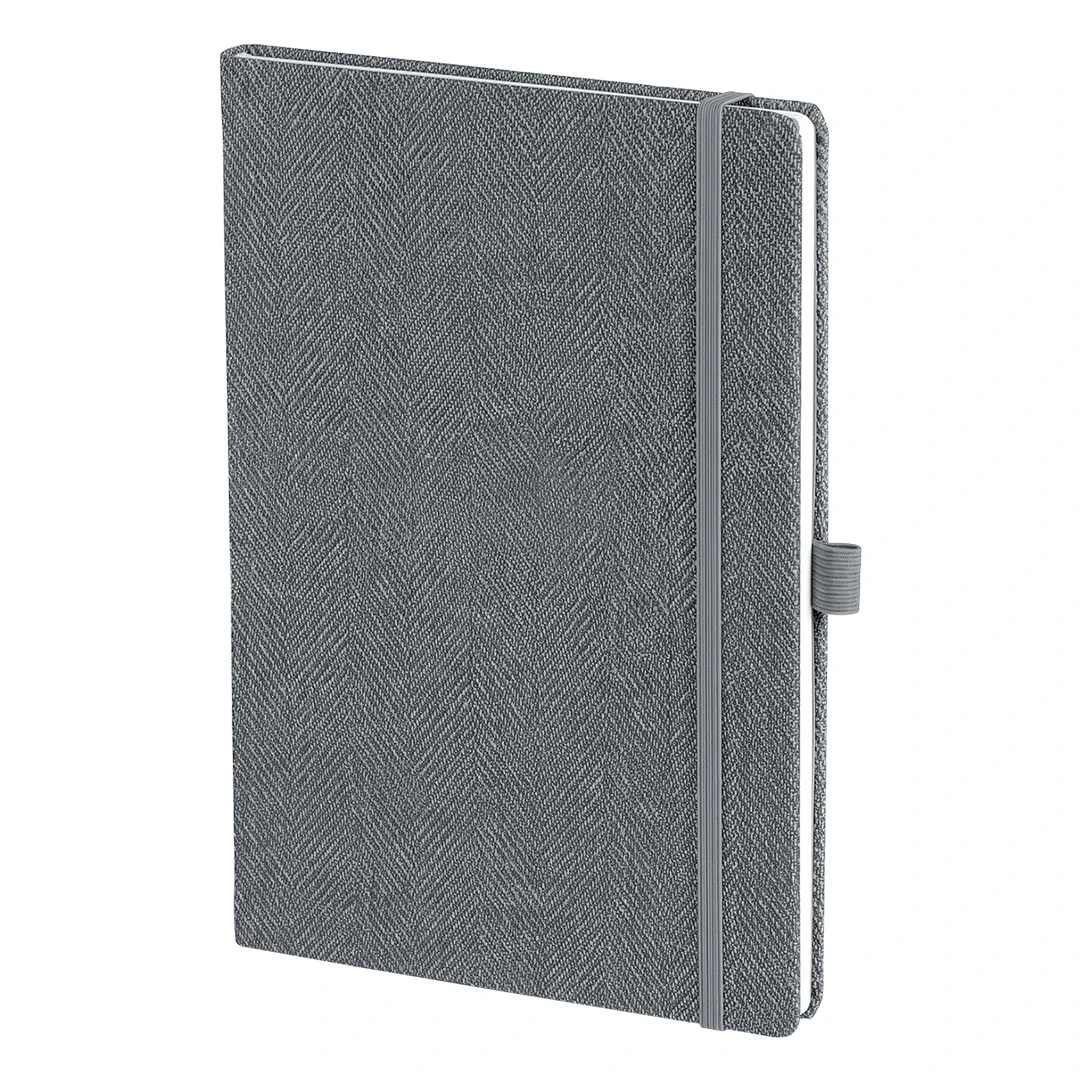
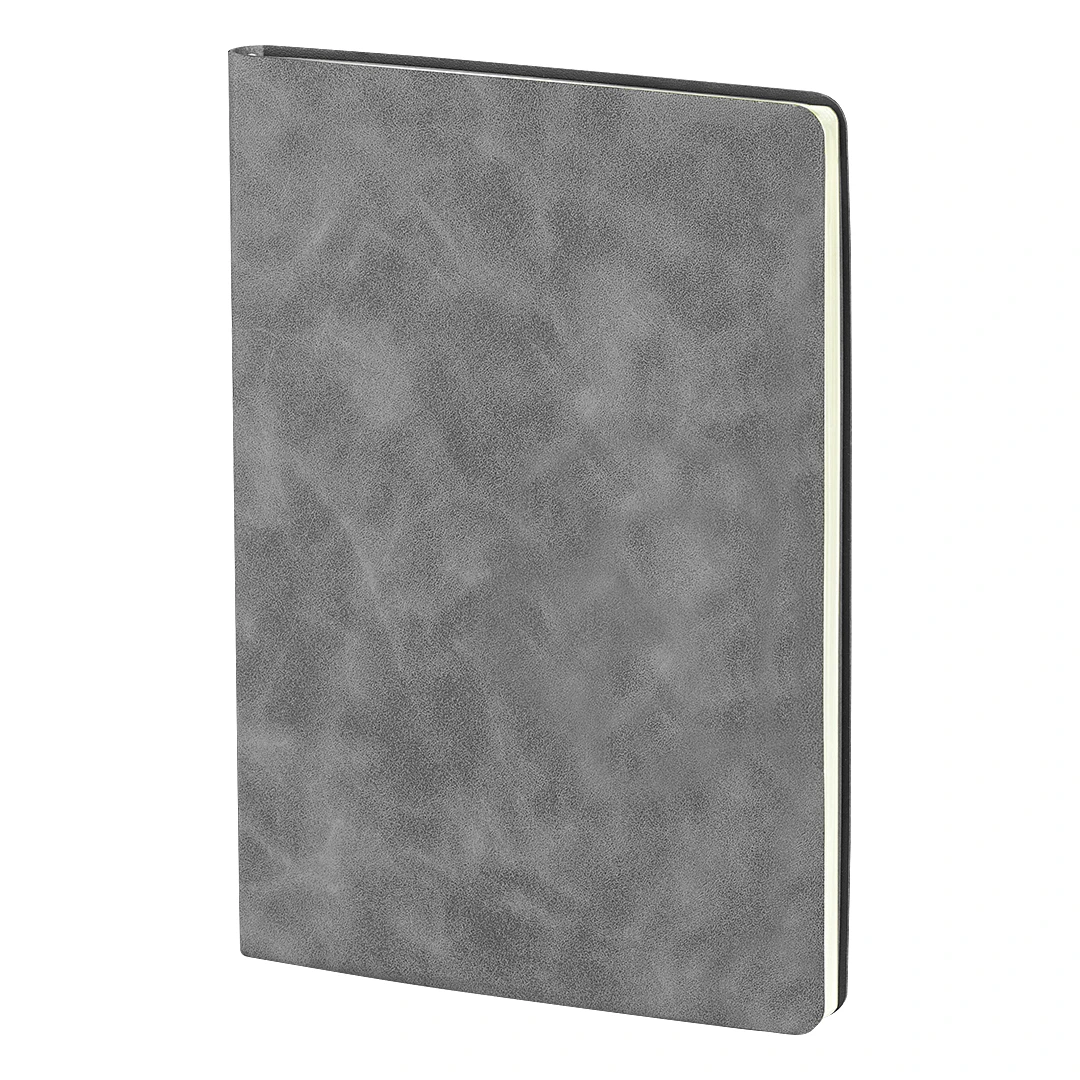
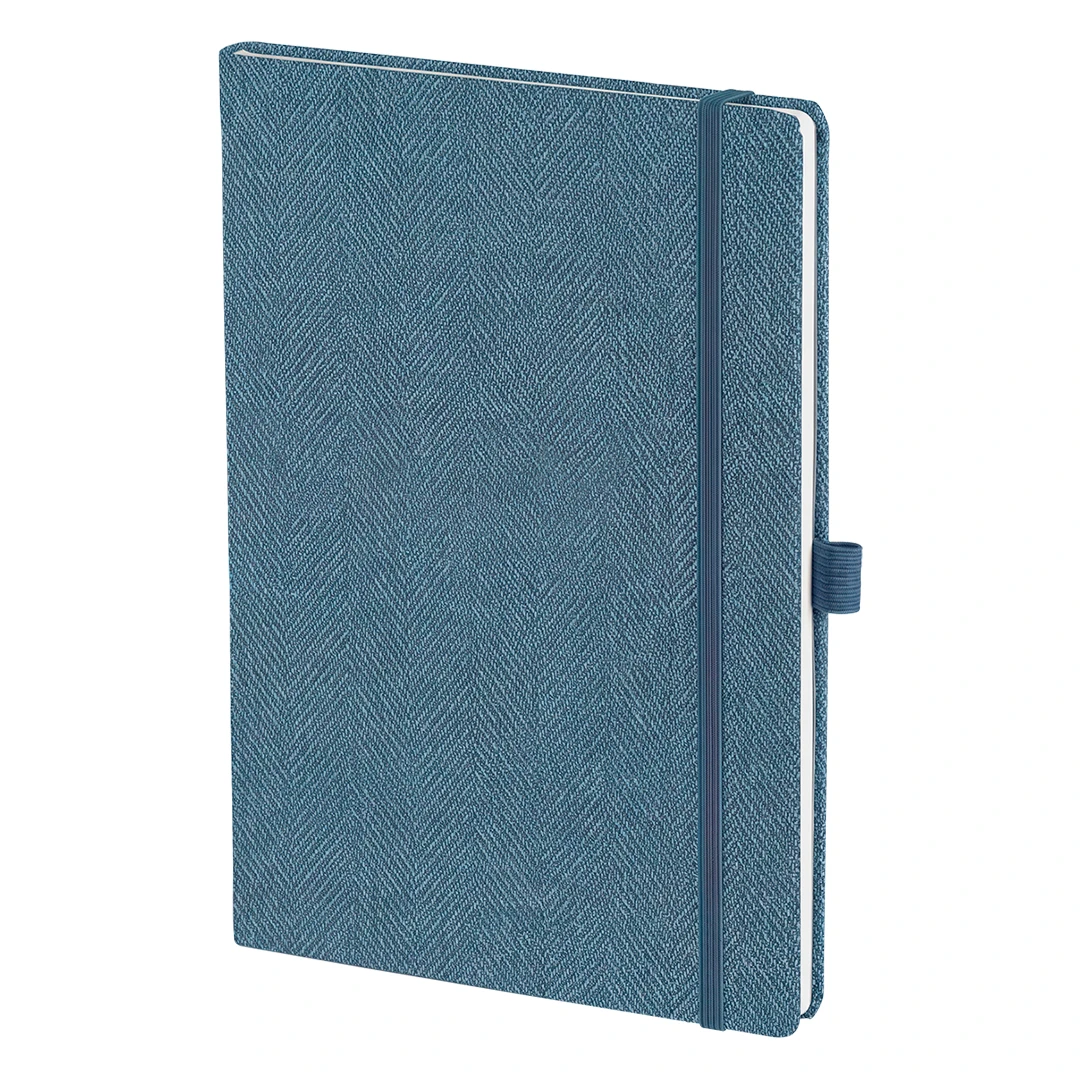
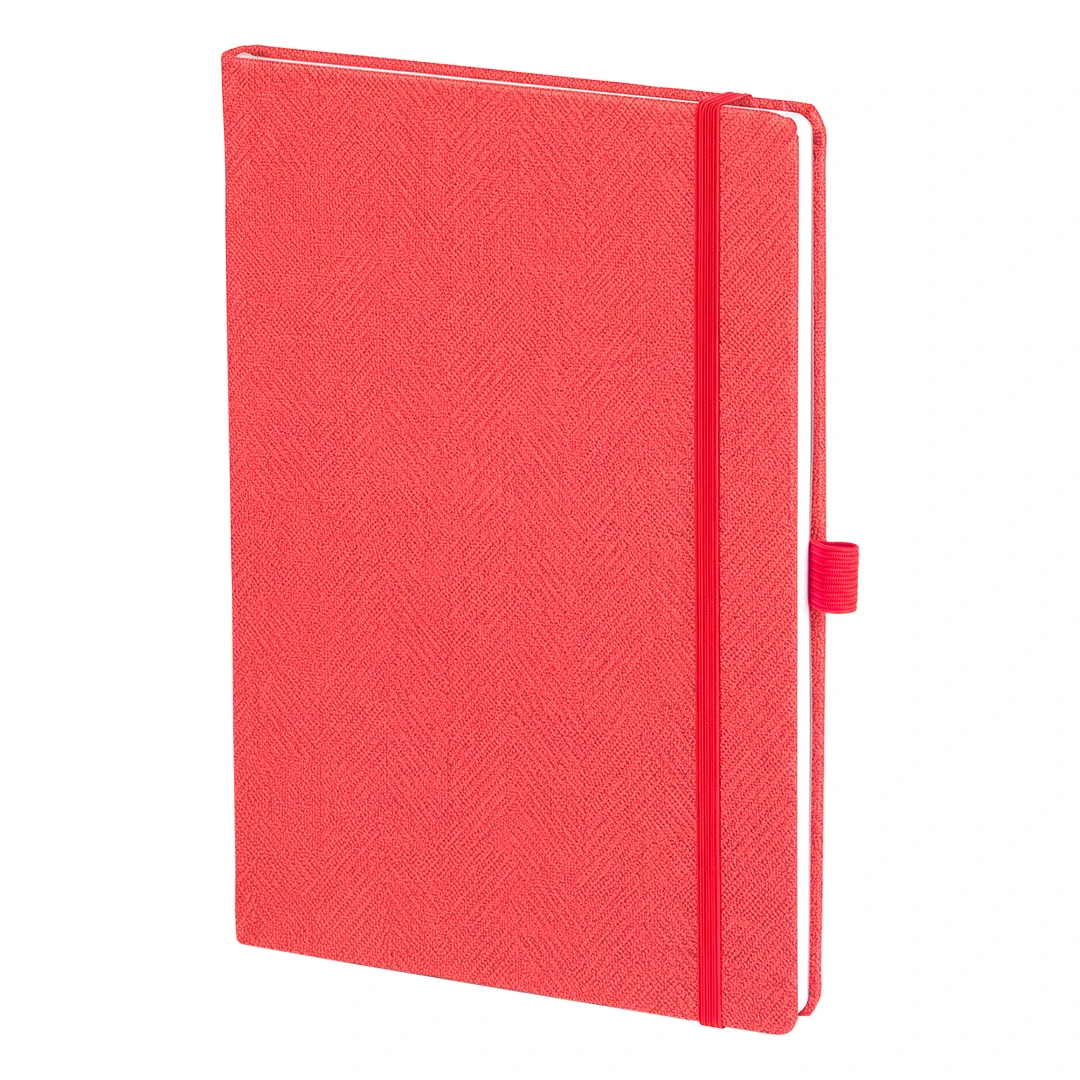
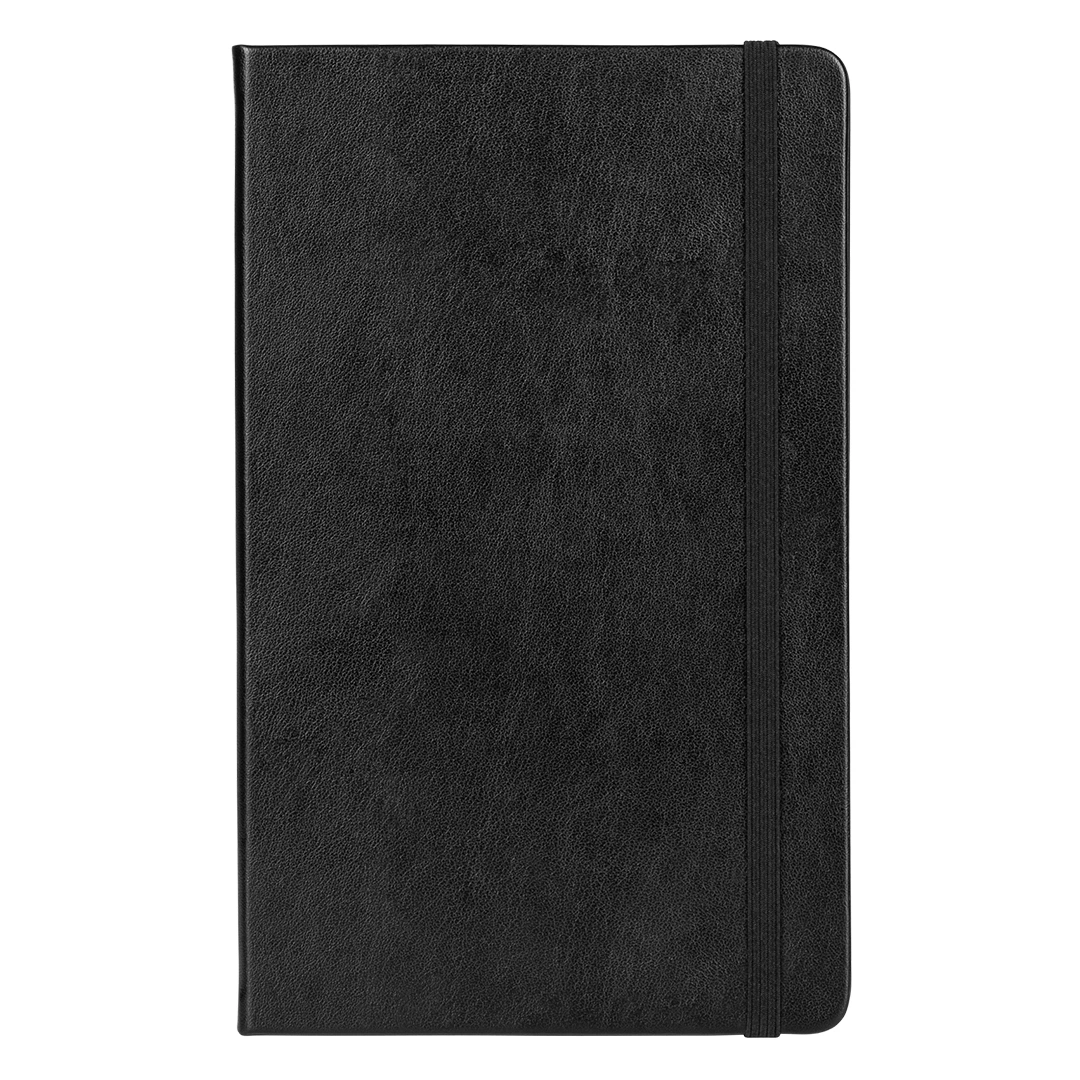
The logo is pressed in and darker than the surface. A common choice for notebooks, wallets and keyrings.
Pros and limits
Durability
The engraving is part of the material, so it survives daily use, washing and wear better than any print.
Fine detail
A laser reproduces thin lines and small text faithfully, so logos stay sharp even on small items.
One colour
The material decides the colour of the engraving - it can't be chosen. If your logo must be in brand colours, UV printing is the better fit.
Size
The largest area we can engrave is 610 x 460 mm.
When to choose laser engraving
Engraving is the natural choice for gifts to clients and partners: metal pens, thermoses, bottles, wine sets and leather notebooks, where the logo should look understated and last for years. It also pays off on items people carry and use all the time - keyrings, USB drives and tools - because print wears off them over time and engraving doesn't.